Science In and with Society: reducing emissions of TExtile Microplastics in the NetherLands (SISTEM-NL)
from 01/05/2023 until 31/12/2026
Microfibers released from textiles are a major source of microplastics, impacting ecosystem health. Current models estimating emission of microfibers to the environment are characterised by very high uncertainties in the parameterization of release dynamics. Also, these models do not properly incorporate human factors that affect the washing behaviours driving microplastics release. Understanding the multiple, often interconnected drivers of this pollution, and ultimately identifying effective strategies for reducing microplastic emissions, requires the combination of technological, environmental and social science disciplines and data collection outside of the laboratory. Therefore, in this project, the disciplines of environmental chemistry, earth and environmental sciences, psychology, communication science, and Citizen Science intersect to create the main research question: What drives the emissions of anthropogenic microfibers into the natural environment and how can citizens be engaged in reducing these emissions?
Aim
The research goal of SISTEM-NL is to develop building blocks for a bottom-up transition towards a more sustainable and fair society. In this project the University of Amsterdam serves as a hub for collaboration between academia, citizens, and societal- and industrial partners who all share the goal of reducing the environmental impacts of textiles and plastics.
Participation & Audience
Target group: Dutch residents of 16+ years old who do their own laundry on their own washing machines at home and are able to install a microplastic filter.
Number of participants: 80
Duration of involvement: About 8 months
How to participate
Express interest in participating through our website: Thuis wassen | METAcitizenscience
Impact
Insights and Highlights
Combining psychological surveys with microplastic data collection, pre-and post data collection on psychometric parameters. Results are published here: https://doi.org/10.1039/d5va00037h
Faculty processes are not tailored to cross-faculty citizen science research
Project website, social media, posters, flyers, hosting and participating in events
This project is one of the first to develop an extended Citizen Science approach that plays a pivotal role in both scaling the production of scientific knowledge and addressing the human component of microplastic pollution from home laundry. As a societal contribution, we aim to grow a network of short and long-term citizen scientists engaged in data collection, and a consortium of societal partners. By involving a more diverse group of citizen scientists we hope to reduce the distance between research and the public. Secondly we will develop sustainable washing guidelines based on insights from the analysis of microplastic emission drivers and share our findings with relevant research communities, industry partners and the broader public.
About funding
Funding bodies: University of Amsterdam
Coordinator
University of Amsterdam
Academic
 Go to Project
Water type
Keywords
Science Topics
Tags
Difficulty Level
Participation tasks
Location
Contact
Similar projects
PreserVamos
No organization
13/11/2025
CrowdWater
27/10/2025
Plastic Pirates - Go Europe!
No organization
01/10/2025
HydroCrowd
18/11/2025
Home River Bioblitz
No organization
11/02/2026
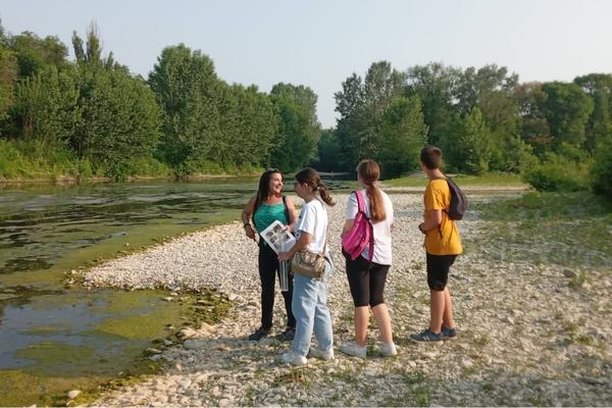
Freshwater Watch Parma
05/12/2025