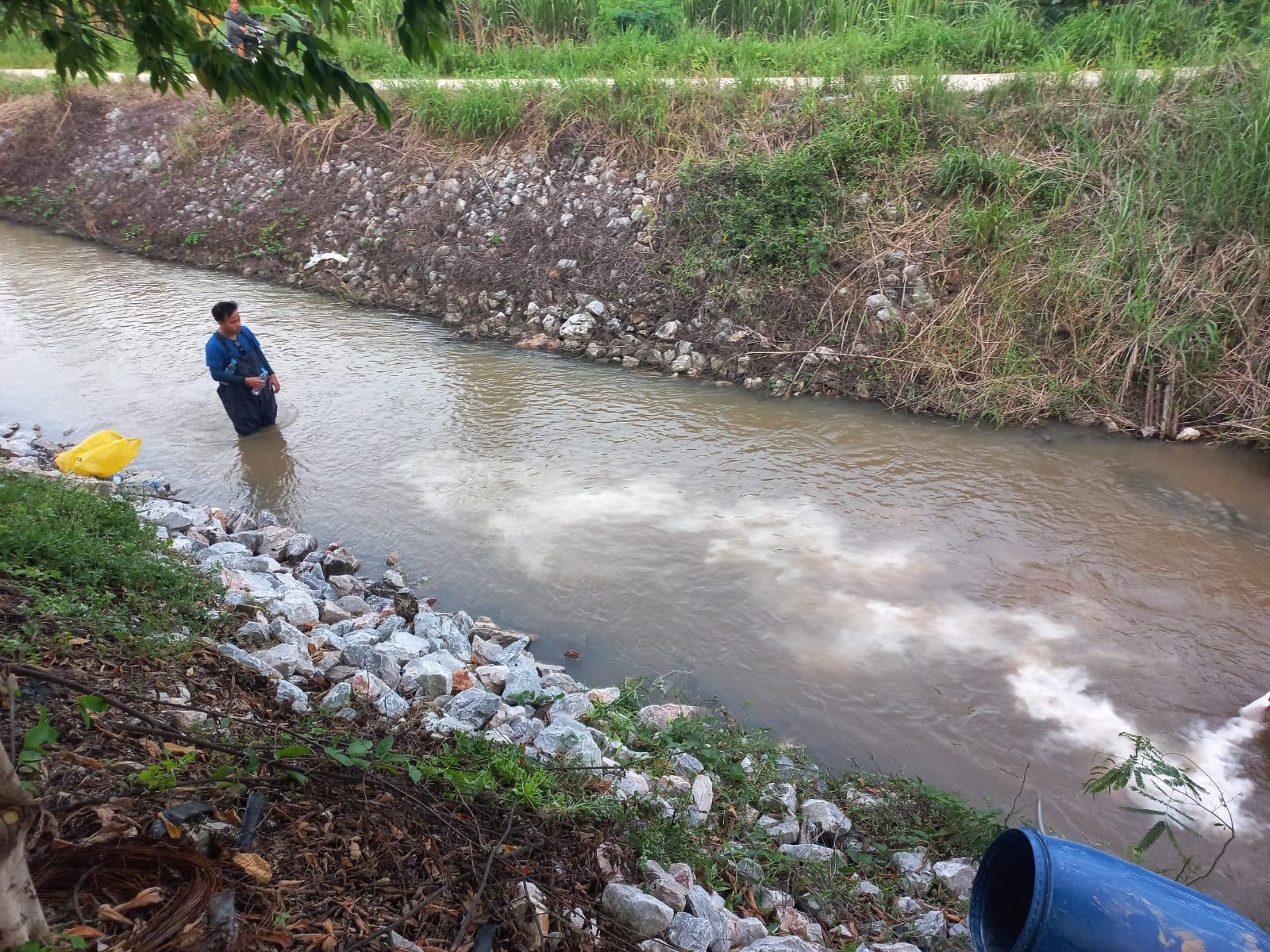
A citizen science approach to river pollution monitoring: interview with RiverWatch
June 30, 2026, 8:21 a.m.
We spoke with Flavia Tauro, Associate Professor of Hydrology at the University of Tuscia, about the RiverWatch project in Italy. RiverWatch highlights how combining citizen participation, scientific expertise, and digital technologies can transform the way environmental data is collected. The project is a great example of how citizen science can fill critical data gaps and empower communities to take an active role in protecting river ecosystems.
Can you introduce the RiverWatch project and its mission?
RiverWatch is a collaborative project of Italian universities, funded by the Italian Ministry of University and Research. The project focuses on developing a new monitoring infrastructure for floating pollution in rivers, including plastics, woody material, and other debris transported along the water surface. Rivers worldwide are under increasing pressure from urbanisation and climate change, and many no longer meet good ecological standards. Tracking pollution in these systems is essential, but traditional monitoring methods remain limited. Most approaches rely on experts conducting field campaigns at specific locations, either visually counting floating objects or collecting debris with nets for later analysis. These methods are labour-intensive and provide only a fragmented view of pollution across large river basins. RiverWatch aims to overcome these limitations by introducing a more scalable and cost-effective approach.
Why did you decide to involve citizens in your project?
A key challenge in river monitoring is that data is often collected at only a few fixed points. This makes it difficult to understand how pollution moves across entire river systems. By involving citizens, we can significantly expand both the spatial and temporal coverage of observations. We encourage them to photograph river surfaces regularly, creating a distributed monitoring network that would otherwise be impossible to achieve. So, by including citizens in our project, we can create a win-win for everyone involved. On one hand, we’re raising awareness about river pollution and the environmental conditions of the local waterways. On the other hand, we and other researchers benefit from a rapidly growing dataset.
What exactly is the role of the citizens?
Citizens can upload images or videos taken from different viewpoints along the riverbank on our web application and add tags to their observations, identifying different types of debris, such as plastic bottles or organic material, and water characteristics like turbidity or colour. These observations are then combined with data from fixed monitoring cameras that provide continuous measurements and are used for validation. Afterwards, we process everything using computer vision algorithms, to detect, classify, and estimate the amount of floating pollution and make the data available on our online platform, where citizens can see their contributions.
Are the project outputs already influencing water management?
We are actively working toward integrating the outputs into local and regional water management strategies, for example by collaborating with authorities to install dedicated monitoring stations along riverbanks. These stations provide optimal viewpoints for capturing consistent images that make it easier for citizens to contribute data. In the future, these setups may also support additional measurements, such as estimating river flow and discharge. Beyond the scientific applications, our project also has a strong educational dimension. We’ve introduced RiverWatch in schools and encouraged students are encouraged to monitor nearby rivers using the app. This not only expands the dataset but also fosters environmental awareness and engagement among younger generations.
What challenges have you encountered?
We spent considerable time developing the app to be accessible and easy to use, and many time-consuming conversations were had with local authorities about funding. Another key challenge is the ongoing engagement of the citizens. At first, everyone is intrigued and enthusiastic about being involved in this initiative, but we really need consistency in providing data regularly. We tackle this through continuous awareness campaigns and initiatives.
What are the next steps for RiverWatch?
The platform has now reached a level of maturity that allows us to focus on increasing data collection. The more images we receive, the more accurate the algorithm becomes. To support this, we’re strengthening our dissemination efforts, including outreach to schools all over Italy and potential collaborations with local governmental agencies to install monitoring stations. At the same time, we’re also preparing grant proposals to make sure we receive additional funding that would allow us, for example, to further develop the app with multilingual access and extensive classification features. Our ultimate goal is to develop a comprehensive river monitoring tool, that not only tracks floating pollution but also other parameters such as flow and water levels.
What is the value of being part of a global network like Citizens4Water?
There are many ways in which this type of interaction can create meaningful benefits! First, from a technical perspective, it opens up exciting opportunities to draw inspiration from complementary initiatives and build a more robust and versatile tool. It also provides a powerful avenue to reach new communities in different parts of the world that may also be confronted with river pollution and want to adopt our monitoring tool. Applying the app in diverse context would not only offer us some valuable feedback but also enhance the app performance. Altogether, this creates a highly positive cycle of growth, collaboration, and innovation.
For more information on RiverWatch, visit the project page on Citizens4Water.
Credits:
This interview has been conducted by students of the Science Communication course at the University of Leuven: Lily O'Shea, Annie Schulz, Hajar Yammi, Pieter Houben