Citizen Science River Overflow
from 15/04/2026 until 31/12/2026
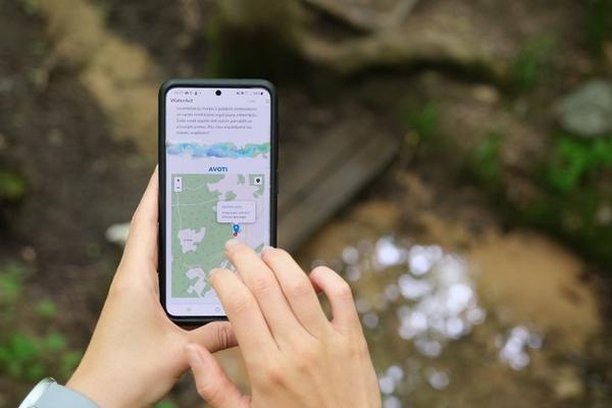
This project aims to encourage citizen participation in flood monitoring by recording flood events (especially flash floods). Using tools like KoBoToolbox and KoBoCollect, community members will help collect data on the impacts of flooding. The information will be organized into a space-time database, making it easier to understand the origin, size, and location of floods. The project combines local knowledge with technology, helping to build the resilience of vulnerable communities to floods, while also supporting risk management and improving flood predictions.
Aim
The main goal of the project is to create a space-time database of floods by involving the community in collecting data on flash floods. By using tools like KoBoToolbox and KoBoCollect, the project will help improve understanding of floods, allowing for better predictability and verification of CAFFGS alerts. The project also aims to strengthen community resilience to flooding, encourage more participation in hydrological monitoring, and improve risk management. This approach will contribute to building a more resilient Guatemala against flooding disasters.
Participation & Audience
Target group: Citizen participation (adults)
Number of participants: Not limitated
Duration of involvement: Rainy season
How to participate
Step 1:
I identify a flooding situation.
Step 2:
From a safe location, I fill out the electronic form (Citizen Science – River Overflow) by entering the following link: https://ee-eu.kobotoolbox.org/x/aSacPdFz
Insights and Highlights
Although the project is currently in its test phase, significant progress has been made in key areas. The collection of flash flood data is already underway, contributing to the creation of a space-time database that will provide valuable insights into the origin, magnitude, and distribution of floods. This will enhance the predictability of flash floods by improving the verification of CAFFGS alerts and refining early warning systems. In addition, the project has successfully engaged communities in hydrological monitoring, with local residents actively participating in data collection. This involvement is expected to grow as efforts are made to ensure stronger community participation moving forward. Despite challenges related to the continuous involvement of trained individuals, the project has redirected its focus towards selecting communities that are already aware of the flood risks they face, increasing the overall impact and ensuring that the project will achieve greater success in strengthening the resilience of these communities.
One of the main challenges was the lack of continuous involvement from trained individuals. To address this, the project launch was reconsidered, and a more careful selection of the target population was made. The focus shifted towards choosing communities that had an existing understanding of the threats, hazards, and vulnerabilities they face in their daily lives. By ensuring that participants were already aware of these risks, the project could benefit from their knowledge and make a more meaningful impact.
* The project will combine local knowledge with technology, creating a more effective and inclusive approach to flood monitoring and disaster risk management. * The selection of target communities will focus on those who already understand their vulnerability, ensuring higher engagement and more meaningful contributions to the project. * The use of KoBoToolbox and KoBoCollect will play a key role in improving data accuracy and accessibility, enabling better decision-making for flood management. * Collaboration with local communities will be a key success, helping individuals become more aware of the environmental risks they face and encouraging them to take active roles in managing these challenges.
Coordinator
INSIVUMEH
Governmental
Water type
Keywords
Science Topics
Tags
Difficulty Level
Participation tasks
Location
Contact
Similar projects

PreserVamos
No organization
13/11/2025
CrowdWater
27/10/2025
AquaCoLab - Burgos
24/11/2025
Home River Bioblitz
No organization
11/02/2026